
John M. | Red Phoenix correspondent | Colorado–
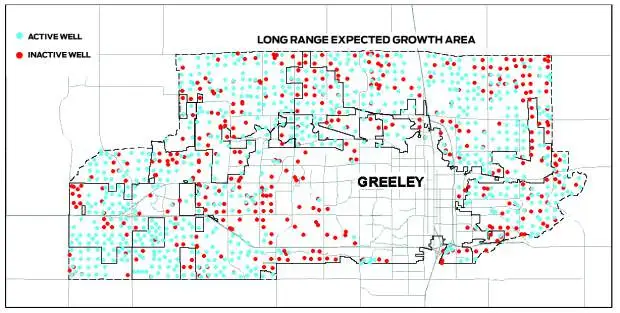
Weld County, CO, sprawls across the northern plains like a vast factory floor for American capitalism. Here, where oil rigs pierce the earth, massive feedlots crowd with livestock, and industrial farms churn out eggs and meat for distant markets, the contradictions of profit-driven production have erupted into a series of interconnected disasters. In recent months, workers have faced deadly explosions, health outbreaks, immigration crackdowns, and strikes that expose the raw exploitation at the core of these industries. These events are not isolated accidents but symptoms of a system that prioritizes corporate gains over human lives and community stability, turning the region into a battleground for labor’s survival.
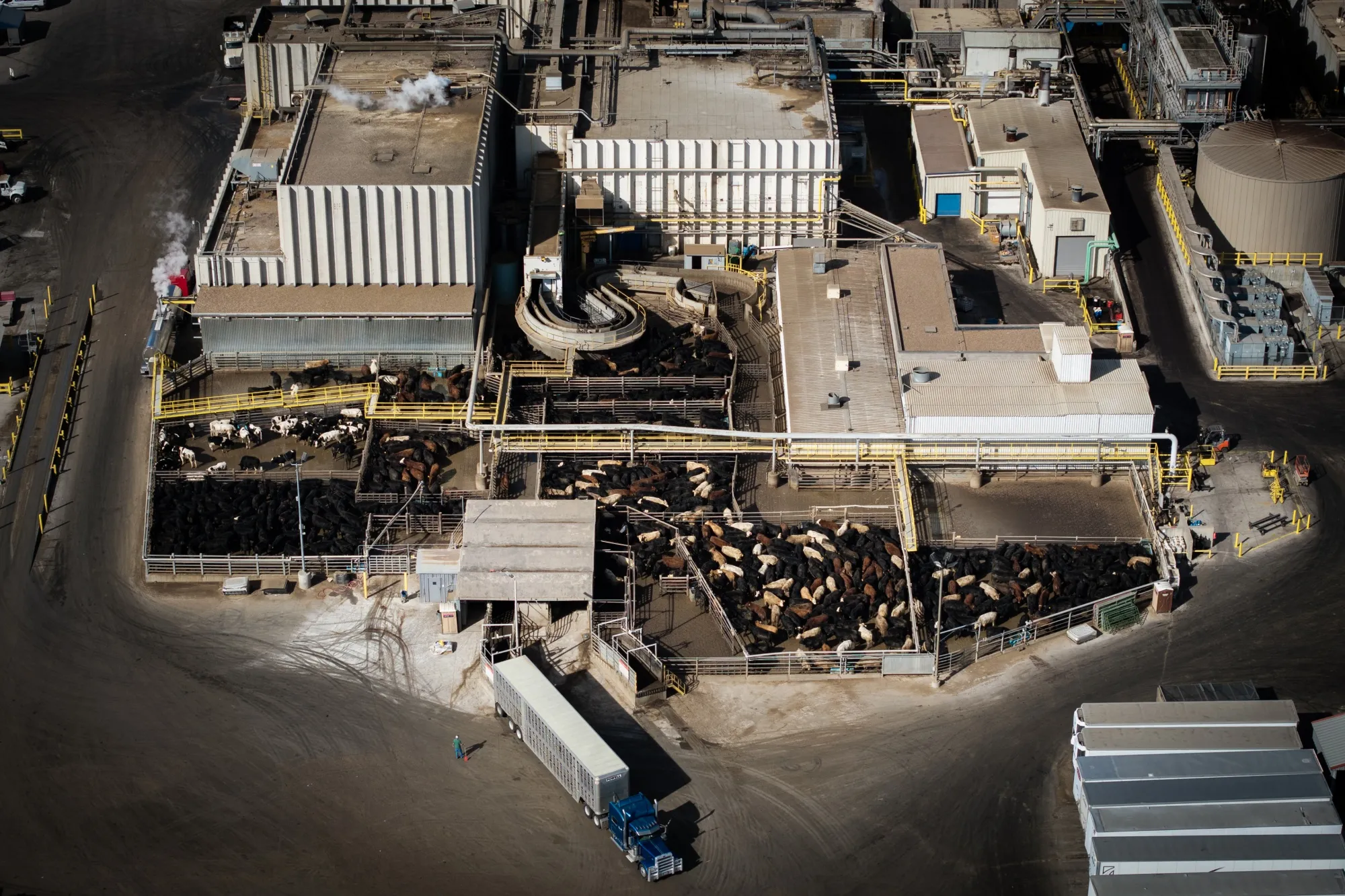
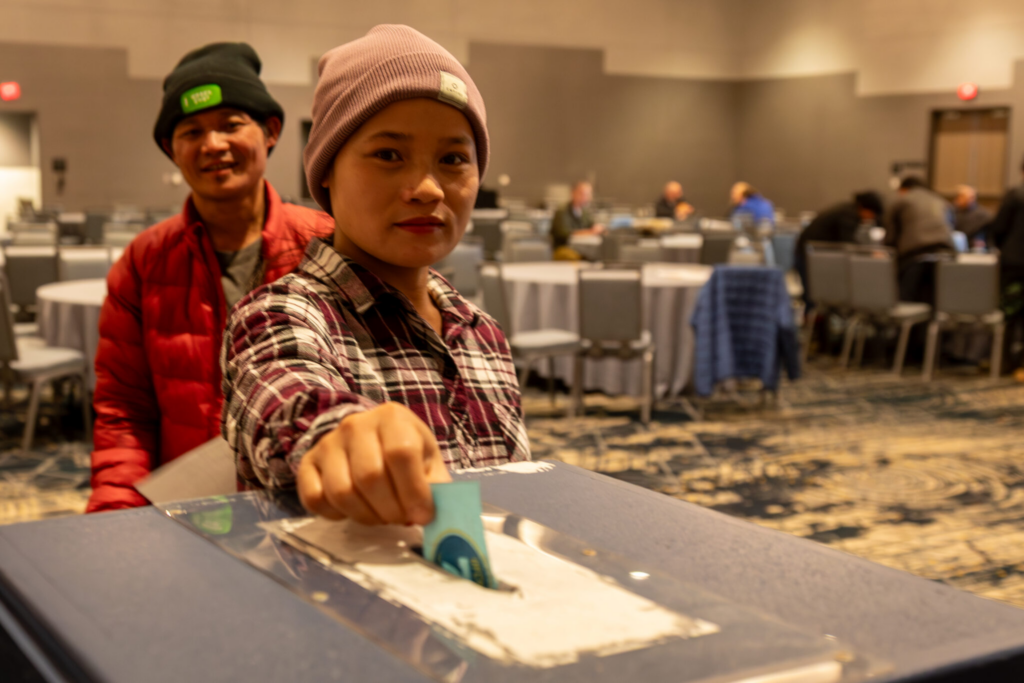
At the heart of Weld County’s economy lies the meatpacking industry, dominated by giants like JBS USA in Greeley. This facility, the largest employer in the county, processes beef on a scale that feeds corporate profits while devouring workers’ well-being. In early Feb. 2026, nearly 3,800 unionized workers—overwhelmingly immigrants from Haiti, Mexico, and Central America—voted 99% in favor of authorizing a strike, the first in the plant’s history. The grievances are stark: management demands faster line speeds that heighten injury risks, slashes work hours to erode earnings, and retaliates against those who speak out. These conditions stem from a deeper logic: capital’s need to squeeze more surplus value from labor amid rising costs and competition. The plant’s reliance on vulnerable migrant workers, often housed in overcrowded conditions and subjected to trafficking-like abuses, underscores how bosses divide the class by nationality to suppress wages and resistance. Yet the near-unanimous strike vote signals a growing consciousness: workers are rejecting measly concessions and demanding control over their labor process.
Compounding this exploitation is the state’s role in policing the workforce through immigration enforcement. Weld County has long been targeted by Immigration and Customs Enforcement (ICE) operations, which function not to “secure borders” but to discipline labor and suppress organizing. The 2006 nationwide raids on Swift & Company plants, including the Greeley facility now part of JBS, resulted in over 1,300 workers detained in a single day, many of whom were separated from families and deported. The action reshaped the industry, pushing companies to recruit refugees and other precarious workers to fill the gaps. Recent plans for a new ICE detention center in nearby Hudson, a defunct prison set to be operated for profit by private contractors like The GEO Group, threaten to intensify this repression. In 2026, amid broader crackdowns, ICE has conducted raids on construction sites, apartments, and farms, instilling widespread fear and disrupting potential organizing. These measures fragment the proletariat, pitting native-born against immigrant workers while guaranteeing agribusiness and energy sectors a steady supply of cheap, exploitable labor.
The bird flu outbreak that struck a commercial egg-laying operation in Weld County in late Jan. 2026 exemplifies the perils of industrialized agriculture under capitalism. With over 1.3 million chickens housed in cramped, profit-maximizing conditions, the facility became a breeding ground for disease, leading to a state-declared disaster and the mass culling of birds. Workers, often low-paid and exposed to hazardous environments, faced immediate risks during the response, including potential infection and job instability as production halted. No human cases were reported, but the incident disrupted supply chains, threatening to drive up egg and poultry prices for working families already struggling with inflation. This is no natural calamity; it’s the result of agribusiness giants like those operating in Weld County pushing for ever-higher yields at the expense of biosecurity and worker safety. The same forces that overcrowd animals to cut costs now force laborers to clean up the mess, all while executives pocket the profits.
The oil and gas industry, another pillar of Weld County’s economy, further illustrates the reckless pursuit of profit over people and the environment. In Apr. 2025, a blowout at the Chevron-operated Bishop Well near Galeton spewed crude oil, chemicals, and water for nearly five days, contaminating homes, waterways, and farmland for miles. One worker was injured, residents were evacuated, and cleanup is projected to take years. Just months later, in September 2025, an abandoned Chevron well ruptured, releasing hydrocarbons and forcing a multi-agency emergency response. And in early 2026, a pipeline leak near a school bus stop exposed children and families to benzene and methane. These incidents are not anomalies.
Weld County, a hub of fracking and extraction, has seen repeated explosions, leaks, and fires that endanger field workers, often underpaid contractors, and pollute communities. Energy giants like Chevron extract vast resources while externalizing costs onto the working class, from health hazards to environmental degradation that undermines local agriculture. In a county where oil jobs promise economic stability, the reality is precarious employment amid constant threats to life and land.
These struggles in Weld County are intertwined: the same capitalist logic that overcrowds poultry farms for cheap eggs drives meatpackers to exploit immigrant labor for low-cost beef and compels oil firms to cut corners for fossil fuel profits. Workers across sectors—farmhands, packers, drillers—face the same enemies: corporate bosses who accumulate wealth through unsafe conditions, wage theft, and division. Immigrant workers, in particular, form the backbone of these industries, yet they are scapegoated and terrorized to maintain control. Broader economic pressures, like Colorado’s soaring cost of living and deepening inequality, intensify the exploitation and trap many in precarious conditions despite the county’s population growth from migration.
Amid the ongoing exploitation in Weld County, a real potential for change is emerging. The 1968 Kitayama carnation strike in the town of Brighton showed what’s possible: Mexican-American women held the line for 221 days against police enforcement, court attacks, and brutal conditions, backed by Cesar Chavez and the farmworkers’ movement. That same fighting spirit is alive today in the JBS workers’ near-unanimous strike-authorization vote in Greeley and in communities resisting deportations and environmental destruction. The task now is clear: unite workers across fields, slaughterhouses, and factories, building solidarity that cuts through divisions of race, citizenship, and industry. Go beyond just better wages and safety—fight for real control over production so the wealth created serves the people who produce it, not distant elites. Organize strong unions, community defense networks, and alliances across the state and beyond to confront the bosses and the state power that backs them. The crises in Weld County demand action: workers must organize, take hold of the means of production, and build a future free from exploitation. The time to move is now.