


Ilektra M. | Red Phoenix correspondent | Oregon —
Much of Oregon and Washington east of the Cascade Range are currently experiencing the worst wildfires in the region’s history. While firefighting teams say they have made incremental progress in containing some of the larger fires, there remains an ever-present danger of fires spreading due to a nasty combination of hot weather, dry vegetation, low humidity, and high wind speeds. With these risks showing no signs of amelioration any time soon, officials are warning that residents of the two northwestern states may be in for a particularly disastrous summer, a warning that unfortunately already appears to be ringing true, with at least 700 homes and structures having been destroyed by the blazes so far. Unless rapid, radical, and wide-sweeping changes are made to the way our society and economy operates, this will likely shape up to be the least destructive fire season of the rest of our lives.
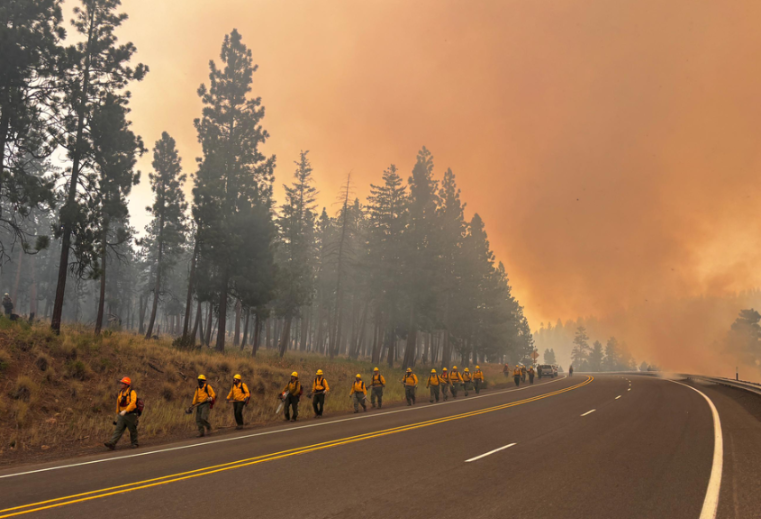
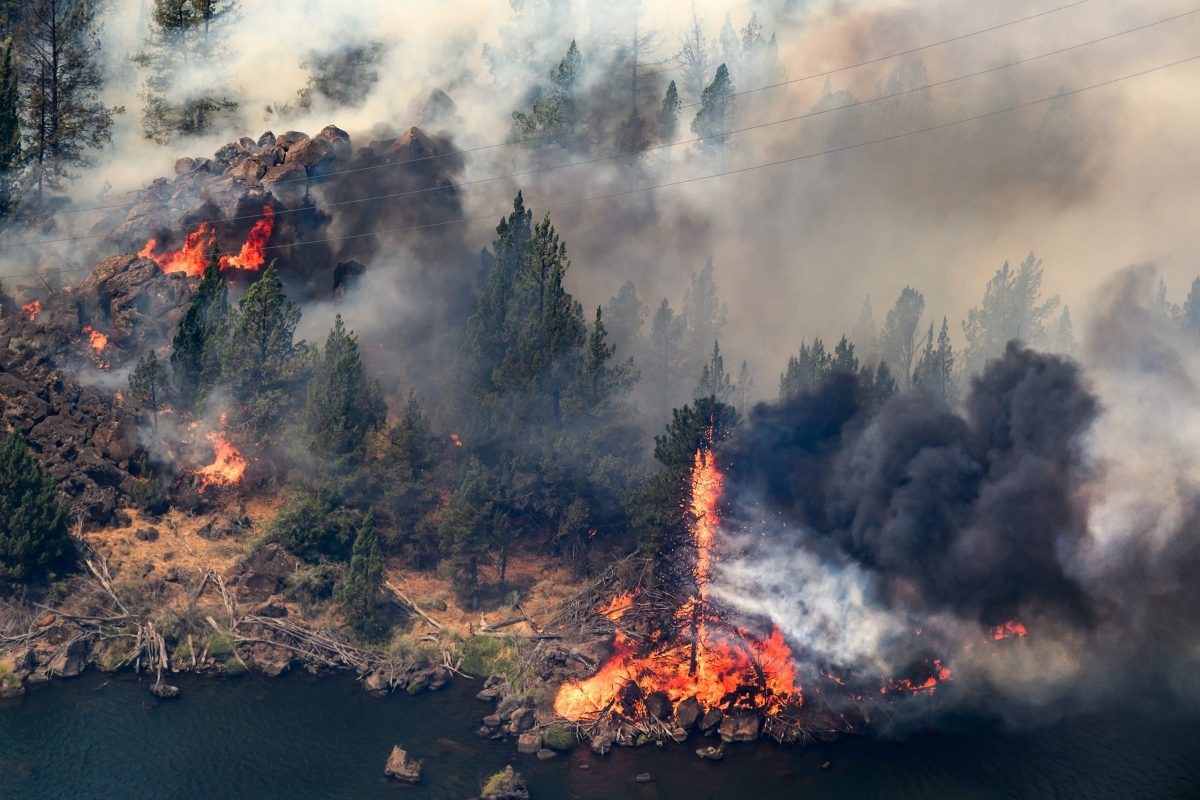
As of August 3, there are some 50 separate, large, and uncontained wildfires raging across Oregon, mainly spread throughout the two-thirds of the state due east of the Cascade mountains, where the terrain is much flatter and drier than in western Oregon. This terrain, in conjunction with a massive heat wave affecting much of the country, a drought caused by this year’s notably warm, dry rainy season, record-low snowpack levels, y thousands of lightning strikes have all come together to create conditions exceptionally conducive to sparking wildfires which are are able to spread rapidly and with little impediment to their growth.
Teniendo burned nearly 2 million acres across Oregon, the ongoing wave of wildfires has already surpassed the previous state record, when 1.9 million acres burned in 2024. What makes this fire season particularly concerning is that previous records were set spanning the entire fire season, which typically ranges from late July through the end of October. However, the current fires have already broken previous years’ records in just the first few weeks of the typical fire season window. With several months in that window still to come, it’s not difficult to see why this year’s fires are on track to not only break records, but set an entirely new threshold for what we should expect from seasonal wildfires in the years to come.
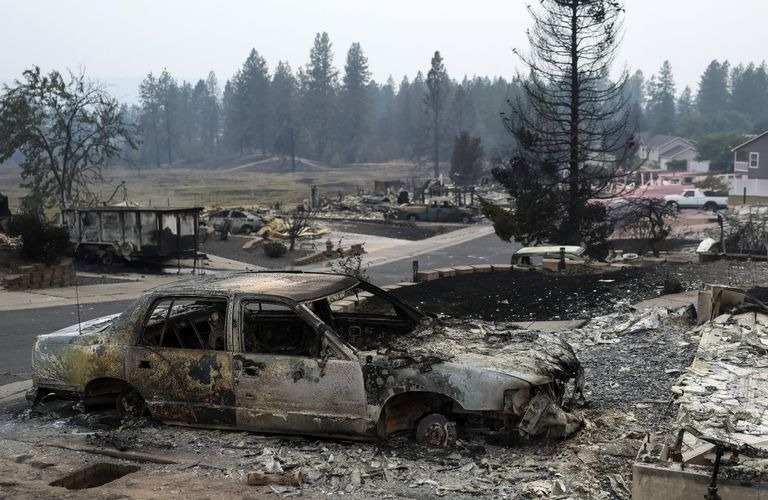
The state of Washington is, unfortunately, not faring much better. While, thankfully, so far, no one has been killed, seventeen separate fires have wreaked havoc across nearly half a million acres, most notably in the eastern Washington city of Spokane, where from August. 1 to 2, over 700 structures burned down, forcing over 60,000 people to evacuate. This disaster has also led the state’s governor, Bob Ferguson, to declare a state of emergency due to the continuing threat of dry brush, high wind speeds, and air temperatures which are so favorable to the spread of ongoing fires and the formation of new ones. The rapid, unexpected expansion of the wildfires near the city which quickly wrought so much destruction are also a stern reminder that as our planet’s climate continues to change in the coming years, it will also become increasingly unpredictable.
Importantly, often-overlooked indigenous communities in both states are facing many of the worst effects of these disasters. Underscore Native News reports:
“In Indian Country, the fires have consumed nearly 230,000 acres. Homes have been burned, families have been displaced and the Confederated Tribes of the Colville Reservation, Confederated Tribes of Warm Springs, Confederated Tribes of the Umatilla Indian Reservation and the Confederated Tribes and Bands of the Yakama Nation are all facing evacuations.”
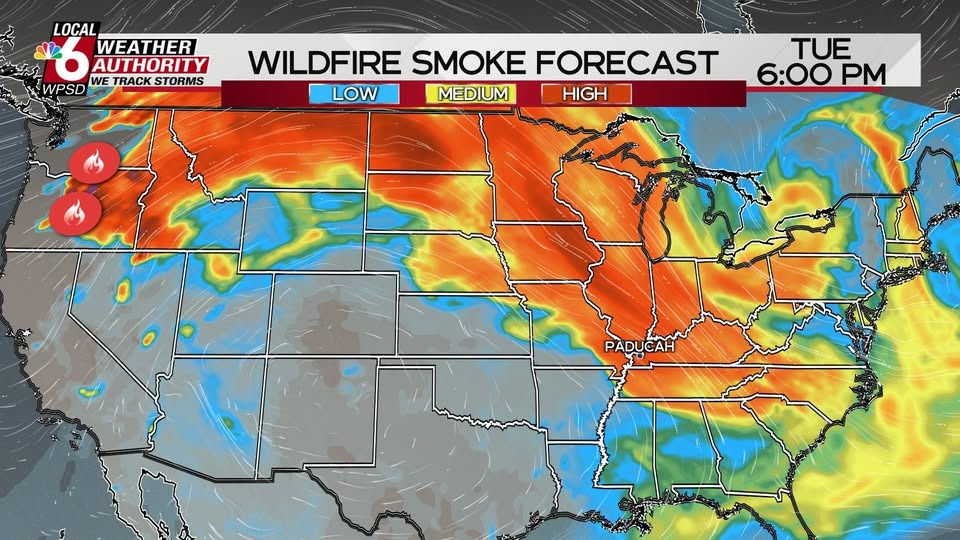
For many who are living outside of the areas which are bearing the brunt of the damage caused by wildfires, it may be hard to grasp the many ways in which people’s lives are upended by them. Smoke is the most immediately noticeable and far-reaching byproduct of these fires, as many people who live hundreds or even thousands of miles outside of the areas which are actively burning can see it in the air and feel it in their lungs. Particularly at risk are those who suffer from respiratory ailments and disabilities, such as asthma or Chronic Obstructive Pulmonary Disease (COPD), and those with vascular conditions, like Postural Orthostatic Tachycardia Syndrome (POTS), high blood pressure, and the litany of chronic conditions which have been found to result from repeated COVID-19 infections.
Another very grave concern that comes with the encroachment of wildfires across larger and larger swathes of our planet is the fact that if a given area is subjected to repeated burns for a sustained period of time, the soil itself becomes very dry, wax-like, and unable to absorb rainwater as well. The consequences from this are twofold: first, as the soil loses its ability to absorb rainwater, we can certainly expect crop yields to start decreasing, as many plants we depend on for food are unable to grow as well as they used to. Second, as less and less water is absorbed by the soil, more water begins to flow into rivers, lakes, and streams, potentially leading to widespread erosion along the banks of these bodies of water, as well as an increased chance of floods and mudslides in surrounding communities. If this occurs, the excess rainwater flowing into these reservoirs may begin to carry ash, toxic minerals, and other particulate matter which are harmful to our health, tainting the very water we depend on to grow our food and keep us alive. Given the fact that some U.S. cities are already on the brink of running out of water, in ten or twenty years, the effects of this are poised to be cataclysmic.
The most obvious danger from wildfires lies in its destructive capabilities, as made abundantly clear by the Spokane fire, as well as last year’s Palisades fire that devastated parts of Los Angeles County, CA, destroyed over 6,000 buildings, killed twelve people, and spread to nearly 100 square miles before being contained. The material destruction from fires will only continue to become more widespread in the years to come, directly upending the lives of millions of people who are forced to evacuate and move to areas less affected, which are becoming fewer in number as time goes on. What’s more, unless local governments step in to help rehouse those who have lost everything, the homelessness crisis will also continue to worsen over time as disasters directly caused by climate change displace more and more people. Given the fact that our public officials have repeatedly shown us that they’re working for their corporate donors, and not on behalf of us workers, it is unfortunately quite likely that this problem will only intensify.
Mass migrations are likely in the foreseeable future, as millions of people are forced to flee areas which will become quite literally uninhabitable for human life. As recent patterns have already shown, this crisis may, in turn, lead to the further entrenchment of xenophobic and fascist political tendencies as the ruling class, in its desperate, feeble attempt to maintain hegemony over the working class, continues to stoke racial and ethno-religious hatred, as they’ve always done, in order to divide the workers and divert their attention away from the real cause of their problems: capitalism. If we do not unite and fight to wrest control from those who seek to burn the planet just to see the numbers in their portfolios increase, then it’s a fair assumption to make that the current apocalyptic fires we are witnessing will be the least destructive of the rest of our lives. We must unceasingly remind ourselves and each other that we, the workers of the world, from the Detroit autoworker and the Portland barista, to the Shenzhen factory laborer and the Congolese cobalt miner, have a common enemy: those profiting off of our daily toil and the destruction of the only planet we can call home.