


J. Z. Ness | Red Phoenix correspondent | Colorado–
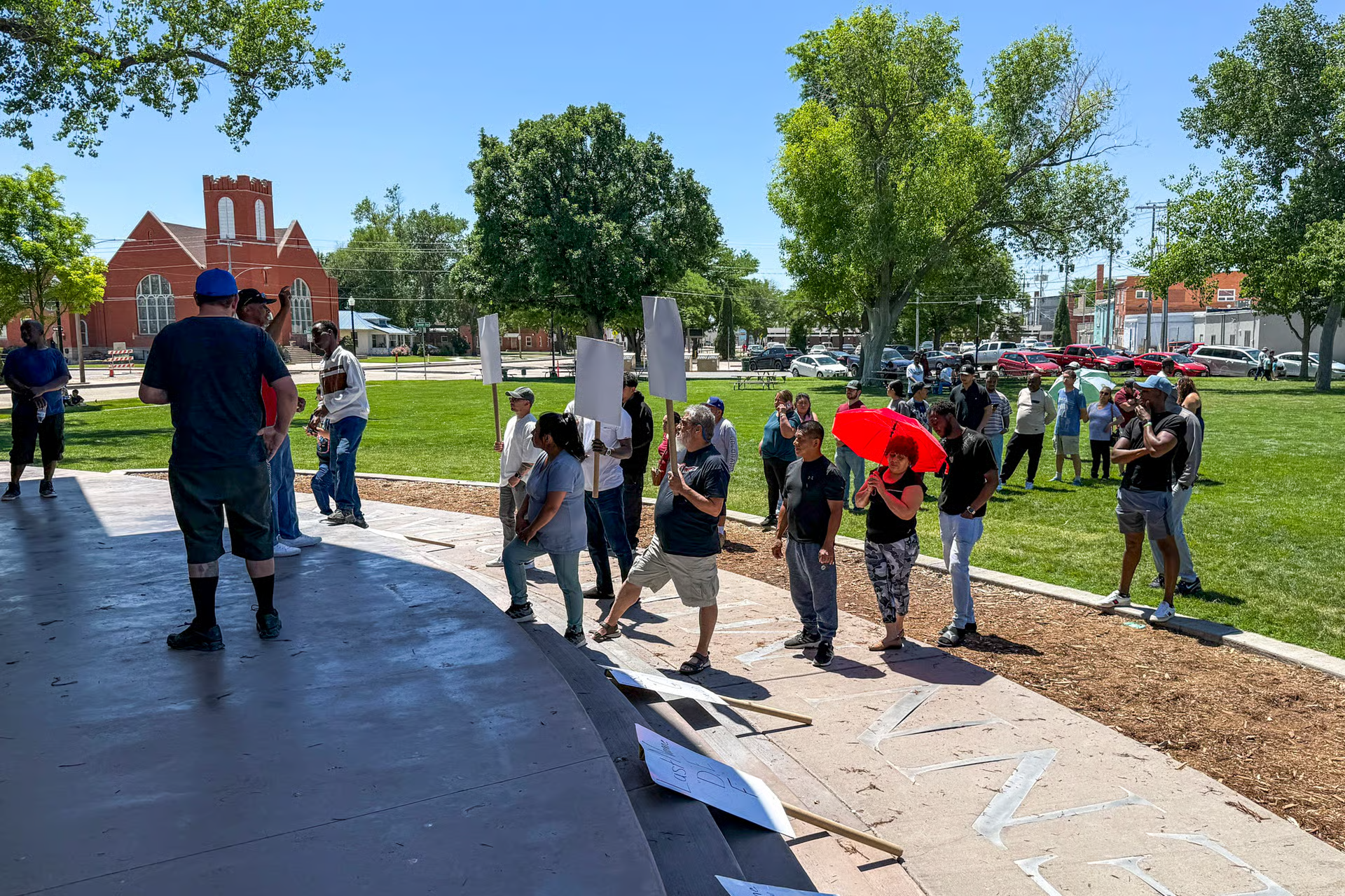
Months after Cargill locked out more than 1,700 workers at its massive beef plant in Fort Morgan, Colorado, the fight continues. What started as contract negotiations has turned into a clear test of strength between a corporate giant and the people who keep its operations running. As of mid-July 2026, those workers remain shut out, picketing daily, and scraping by on unemployment and union support, while the company shifts production elsewhere.
This isn’t just a local dispute. It’s rather a grim reminder of how power works in meatpacking and across industries. Cargill, one of the largest private companies in the United States, proposed what it called a fair deal—wage increases totaling around $33.4 million over five years. Workers weren’t fooled. They voted it down by overwhelming margins, citing wages that don’t keep up with the brutal pace of the production line, spotty health coverage, and abhorrent working conditions that treat people like replaceable parts. Workers even had to endure humiliating, restricted bathroom breaks on the job.
Instead of bargaining in good faith to reach a deal that reflects the value these workers create, Cargill chose a lockout. Ithad already slowed operations in April, citing “uncertainty.” On May 20, it barred the gates entirely. Cattle went to other plants. Production continued under the company’s broader network. But the families in Fort Morgan were left without paychecks, health stability, and a clear path forward in strike negotiations. Many are now filing for unemployment. Single parents and longtime employees are left wondering how to cover rent and groceries while standing on the picket line.
The domino effect hit the whole town hard. Fort Morgan isn’t a big city—Cargill employs roughly 20% of the local workforce and drives major utility and tax revenue. City leaders are now drafting budgets for next year that assume the plant might stay dark, talking about service cuts and possible layoffs. Water and electricity usage dropped sharply when the meatpacking production lines stopped. Sales tax from workers dried up. This is what happens when one employer holds so much sway: the entire community feels the squeeze when corporate decisions prioritize control over compromise.
Negotiations have gone cold since early June. On June 5, the Teamster Local 455 filed a complaint with the National Labor Relations Board (NLRB), accusing Cargill of violating labor laws by using threats and coercive statements and changing employment conditions to interfere with the workers’ right to organize. That complaint remains open pending an NLRB investigation. The union says it’s ready to talk; the company is standing by its offer. But when one side can lock the gates, stop the paychecks, and move operations elsewhere, while the other side stands outside with signs reading “The Steaks Are High,” the power imbalance is obvious. This lockout weapon lets big operators pressure workers into accepting terms on the company’s timeline, all while its executives face no real heat.
This lockout exposes a fundamental truth: when big processors face tight supplies and high costs, they don’t always absorb the pressure themselves. They pass it on through speedups on the line, stalled contracts, or locking people out to force acceptance. Meanwhile, cattle markets adjust to the disruptions, and executives protect margins by moving volume to other sites. The people who show up every day, handling dangerous work in cold conditions, are expected to absorb the biggest hit.
The workers in Colorado aren’t alone. Similar pressures exist in plants across the country. Their position matters because it tests whether ordinary people can push back against decisions made in distant boardrooms. Solidarity, as shown in neighbors showing up, other unions watching, communities paying attention, etc., remains key to holding the line.
This fight is still live. Cargill has the resources to drag it out. The men and women on the line have families to feed and principles to defend. As summer turns to fall, the question remains whether corporate power can be coerced to provide fairer wages and conditions to their workers, the source of their companies’ value. The people in Fort Morgan are showing they won’t disappear quietly. Their persistence deserves support from anyone who knows that decent work and strong communities shouldn’t be bargaining chips.